

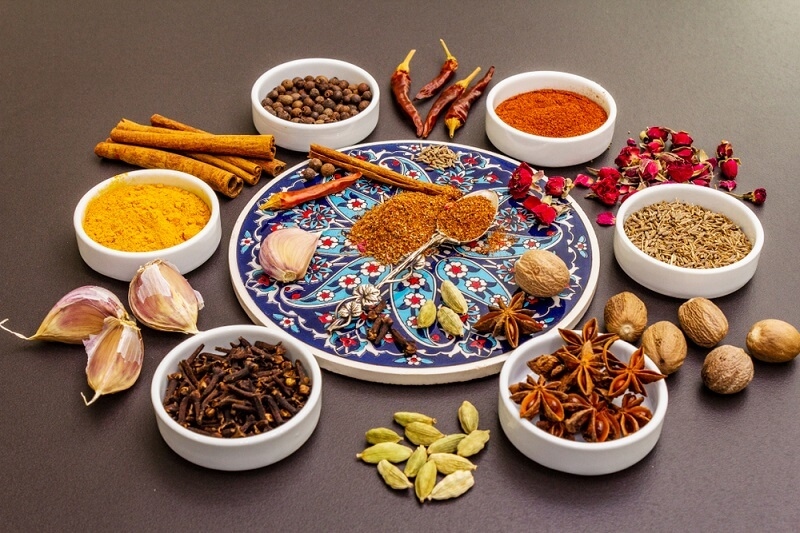
African food doesn’t hold back. It’s bold, colorful, packed with flavor—and, yeah, usually pretty spicy. Not everyone loves that fiery kick, but you don’t have to miss out on everything just because your tongue isn’t built for chili.
If you’ve ever had an African dish that made you sweat, but left you wanting more, you know it’s not about getting rid of spice completely. It’s about controlling it. When you get the balance right, you still get all those layers of taste, warmth, and aroma, without the meal setting your mouth on fire.
Let’s talk about how you can dial down the heat while keeping everything authentic and delicious.
Spice is a huge part of African cooking, but the real secret is in the flavor. All those layers come from a mix of ingredients—garlic, onions, ginger, herbs—and they’re just as important as chili peppers.
So dialing back the heat doesn’t make your food dull.
Heat comes mostly from chilies. Flavor builds up from stuff like garlic, onions, ginger, herbs, and slow, careful cooking.
Most classic African dishes are all about:
So when you cut back on chili, you’re just toning one element, not stripping the dish of its soul.
African recipes often call for chilies like Scotch bonnet or bird’s eye chili. Sure, they bring the heat, but there’s more—they’ve got fruity, smoky, sometimes even sweet flavors.
Cut them out entirely, and you’ll notice something missing. Instead, tweak how much you use. That’s how you keep the taste real and the burn reasonable.
Suggested Reading: African Cooking Spices That Transform Everyday Meals
Before you start tweaking recipes, it helps to know your chilies. Some are all about the heat, others add flavor first and just a hint of warmth.
Here’s a quick comparison that makes things clearer:
| Chili Type | Heat Level (Approx) | Flavor Notes | Best Use Case |
|---|---|---|---|
| Scotch Bonnet | Very High | Fruity, slightly sweet | Stews, sauces |
| Bird’s Eye Chili | High | Sharp, intense | Marinades, spicy oils |
| Cayenne | Medium | Clean heat | Powdered seasoning |
| Paprika | Mild | Smoky, slightly sweet | Color and gentle warmth |
Not every chili is about intense heat. Some are there for color, aroma, or subtle warmth.
It’s not just the chilies—how you cook them matters too.
If your dish is scorching, it could be the cooking method, not just the chili itself.
Got a dish that’s spicier than you planned? No need to panic.
If you catch the heat early, you can adjust on the spot.
Try this:
These aren’t just about masking the spice—they change the whole flavor vibe.
If you’ve already dished it up and it’s just too much, you’ve still got options:
Sometimes, what you serve with your dish can save the day.
Cooking isn’t wild guessing. It’s building flavor step by step.
Start with onions and garlic. Then add spices like cumin or coriander.
Add chili bit by bit, taste, and adjust. That’s how pros do it. Works just fine in any kitchen.
You don’t have to ditch chili altogether.
Try these tricks:
You keep those signature flavors, but your mouth stays happy.
Don't Miss: Beginner African Cooking Tips & Kitchen Hacks to Get Started
There are traditional recipes out there that aren’t really spicy—just warm, comforting, and full of flavor.
Proof that you don’t need a chili overload for great flavor.
It’s super easy to make dishes your own.
You’re not changing the culture—you’re just making it tastier for yourself.
Sometimes, having the right tool makes all the difference.
A few tools can help manage spice more precisely:
These small things add control without extra effort.
Technique plays a bigger role than most people think.
For example:
Here’s the interesting part. Heat isn’t just about spice content. It’s about how your tongue perceives it.
Also Read: Storing African Ingredients for a Fresh Pantry Made Easy
Controlling spice in African food isn’t about making it boring. You want flavor to shine—and heat to play a supporting role. Start experimenting. Cut back a little here, add some coconut milk there. Pretty soon, you’ll get the feel for it.
African cuisine is so much more than just heat. When you get the balance right, you notice flavors you probably missed before.
You can tone down the heat by adding coconut milk, yogurt, or blended tomatoes while cooking. These ingredients soften the sharpness of chili without dulling the dish’s overall flavor. They also add a rich, balanced texture that keeps the taste authentic.
Paprika and mild red chilies are great choices when you want flavor without too much heat. They bring a warm color and gentle depth to the dish rather than a strong burn. This way, you still get that signature taste without overwhelming spice.
Yes, you can remove chili, but the dish may feel a bit flat without it. A better approach is to use milder peppers or reduce the quantity so the core flavors stay intact. That way, you maintain authenticity while making it more comfortable to eat.
Add chili gradually instead of all at once, and taste the dish as it cooks. This gives you full control over the heat level and prevents it from becoming too spicy. A little patience here makes a big difference in the final result.
This content was created by AI