African Spices Health Benefits and Their Healing Properties
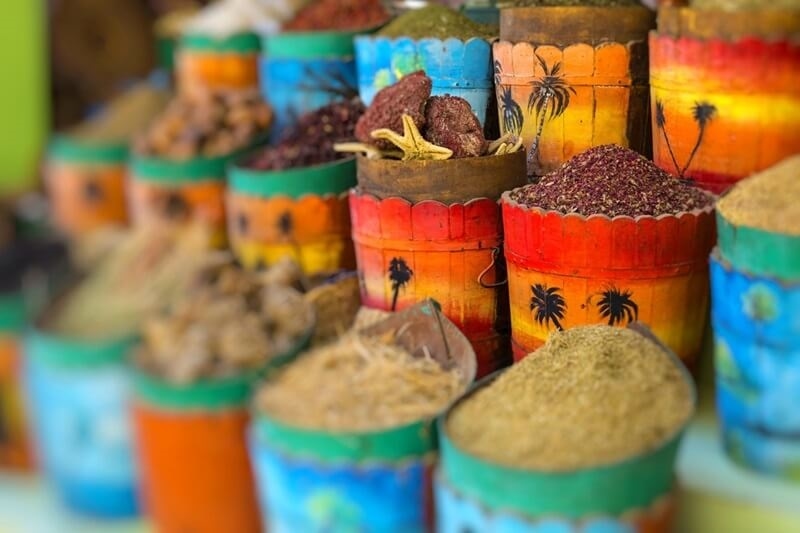
African food is notorious for its sharp taste, vivid colors, and strong connections to its roots. However, apart from the flavor, the spices used in African food also contribute a variety of benefits, including health, which range from aiding digestion to improving general health. These are actually the very same ingredients that have been used for centuries as part of daily meals and traditional medicines. Today, the world has become a big fan of African food, and more and more people are exposed to the healthy aspects of these spices.
This blog will explore African spices health benefits. It will highlight a few of them and explain how they help you lead a better life.
Why African Spices Are Special?
Spices used in African food are not just about the taste. In most cases, they are one's healing tools that have been handed over from generation to generation by word-of-mouth and common home practices. Even today, many African homes still treat herbs and spices as the primary method before using modern medicine. This long existence sets them apart in the world’s food culture.
African spices have health benefits because of the natural chemicals they contain. For example, some of them come with antioxidants that help the body resist the aging process, while others, for instance, boost the immune system to keep it robust and boost the body's energy.
Turmeric African Recipes
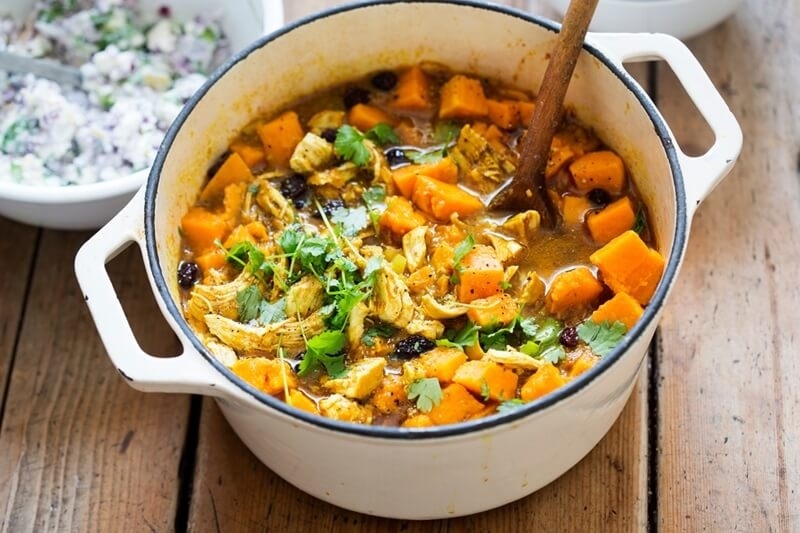
It is a pick of easy African turmeric recipes that not only make delicious food but also improve health at the same time:
1. Turmeric Chicken Stew (West African Inspired)
Ingredients:
- 1 whole chicken (cut into pieces) or 1 kg chicken parts
- 2 tbsp turmeric powder
- 1 large onion, chopped
- 2 tomatoes, chopped
- 3 cloves garlic, minced
- 1-inch ginger, grated
- 2 tbsp vegetable oil or palm oil
- 1 tsp black pepper
- Salt to taste
- 3 cups chicken broth or water
- Fresh parsley or cilantro (optional)
Steps:
- Rub the chicken with turmeric, salt, and pepper.
- Heat the oil in a pot, do a quick pan-sear on the chicken for a minute or two, and remove it from the pot.
- Add the onions, garlic, ginger, and tomatoes to the pot, and cook until the vegetables are soft.
- Put the chicken back in the pot, add broth, cover, and simmer for 30–40 minutes.
- Sprinkle fresh parsley on top and have it with rice, couscous, or plantains.
2. Turmeric Rice with Vegetables
Ingredients:
- 2 cups long-grain rice
- 1 tbsp turmeric powder
- 2 tbsp oil or butter
- 1 onion, diced
- 1 carrot, chopped
- ½ cup peas or green beans
- 4 cups water or broth
- Salt to taste
Steps:
- Rinse rice and set it aside.
- Heat the oil and cook the onions and carrots with the oil till they are soft.
- Add the turmeric, mix well, and then add rice.
- Add water or broth and salt to taste, cover with a lid, and cook until the rice is tender.
- Add peas just before serving.
3. Turmeric Lentil Soup (North African Style)
Ingredients:
- 1 cup red lentils
- 1 tbsp turmeric powder
- 2 tbsp olive oil
- 1 onion, chopped
- 2 tomatoes, chopped
- 3 cloves garlic, minced
- 1 tsp cumin
- 5 cups water or vegetable broth
- Salt and pepper to taste
- Lemon wedges for serving
Steps:
- In a pan, heat oil and cook the onion, garlic, and tomatoes until they are soft.
- Put in turmeric and cumin and stir well.
- Drop the lentils and broth, heat until it reaches a boil.
- Simmer 25 30 minutes until the lentils are tender.
- Add a squeeze of lemon and flatbread to the hot dish and serve it.
4. Golden Turmeric Tea (African Remedy)
Ingredients:
- 2 cups water
- 1 tsp turmeric powder (or fresh grated turmeric root)
- ½ tsp grated ginger
- 1 tsp honey (optional)
- ½ tsp black pepper
Steps:
- Put in turmeric and ginger, bring to a boil, and let it boil for 5 minutes.
- Put black pepper and honey into the filter cup.
- Warm the body and relieve cold or aid digestion when taken warm.
These turmeric African recipes are not only simple and nourishing but also bring both flavor and health benefits.
Ginger in African Cooking for Health
Ginger is another commonly used spice. This root is loved for its pungent taste and its effectiveness as a remedy.
- Ginger in the African cooking tradition has been a part of it for centuries.
- It is usually added to teas, porridges, and sauces.
- Ginger, which eases the digestive process and thus is a good companion for a heavy or spicy meal, can calm the stomach, reduce nausea, and increase appetite.
- Aside from improving digestion, it also carries anti-inflammatory properties that relieve the body’s muscle pain and stimulate blood circulation.
- The most common way to take ginger is as tea to be used as a remedy for a cold or to warm the body during the winter months.
- In the western part of Africa, ginger is also made into drinks and served as a source of energy.
Furthermore, the authentication of daily meals with the help of ginger African cooking health practices is a practical and efficient way to uplift general wellness.
Anti-Inflammatory African Spices
Inflammation is a natural body reaction to injury or disease; however, if it is excessive, it can lead to chronic problems. Thus, the role of anti-inflammatory African spices is very important. They are turmeric, ginger, cinnamon, cloves, and garlic.
- Such medicines, when combined with stews, soups, or teas, aid in the reduction of the swelling as well as the related pain of the joints.
- The continual use of the anti-inflammatory African spices cannot only help in the prevention of diseases like those of the heart, but can also help regulate blood sugar levels and decrease the possibility of getting autoimmune diseases.
- The use of anti-inflammatory spices in cooking is a natural and easy way to take care of your body and still enjoy great-tasting food.
Digestive Herbs in African Food
Good digestion is the mainstay of overall health, and African cuisine provides numerous natural remedies for it.
- The digestive herbs used in African food are fennel, anise, coriander, and mint.
- In general, herbs are not only mixed with food but are also consumed in the form of teas.
- For instance, eating fennel seeds after meals can bring down bloating and flatulence. Anise prepares the stomach for rest; on the other hand, mint brings about a refreshing feeling in digestion and also acts as a soothing agent for discomfort.
- A lot of African folk meals do not leave these kinds of herbs out, as they not only help to neutralize the effect of heavy foods but also make the digestive system strong.
- People also use digestive herbs in African food to make food tempting and healthy at the same time.
These simple traditions have been handed over from one generation to another and have been found to be effective even today.
African Spice Medicine and Traditional Healing
The Spices in Africa surely add flavor to the meals, but they are also a part of traditional medicine. For a long time, the communities living in Africa have been relying on natural remedies made out of herbs and spices to treat common health problems. This is sometimes referred to as African spice medicine culture.
For instance, garlic is prescribed to people who have high blood pressure, cloves are used to give relief in toothaches, and cinnamon is that which is given for the improvement of circulation. Turmeric and ginger are administered in cases of colds and flu, whereas some peppers are believed to be the mouthpieces for infections.
Everyday Ways to Use African Spices for Health
To add these spices and herbs to daily meals is not necessarily difficult. Below are some simple ways:
- Turmeric: Use it to add both taste and health to rice, lentils, or chicken stews.
- Ginger: Use fresh slices to make tea or add it to your soup and sauces.
- Cinnamon: Use it to add flavor to porridge or baked goods.
- Cloves: Use in spiced drinks or simmer in broths for warmth and aroma.
- Mint: Use as a brewed tea, or chop fresh leaves into salads.
The above simple processes allow you to avail of the benefits of African spices without having to make major changes to your diet.
Final Thoughts
African spices are not just seasonings; they are a source of wellness and healing. These ingredients bring natural support to the body through turmeric, African recipes, and ginger, African cooking, and health traditions. The Anti-inflammatory African spices not only protect against chronic diseases, but also the digestive herbs in African food become the favorite of people who have stomach-related problems.
By incorporating these spices into everyday cooking, anyone can have the best of both worlds;:flavorful and long-lasting health. African spices health benefits are a gift of nature from tradition to modern living that plainly reflects that food can very well be the medicine.
This content was created by AI