

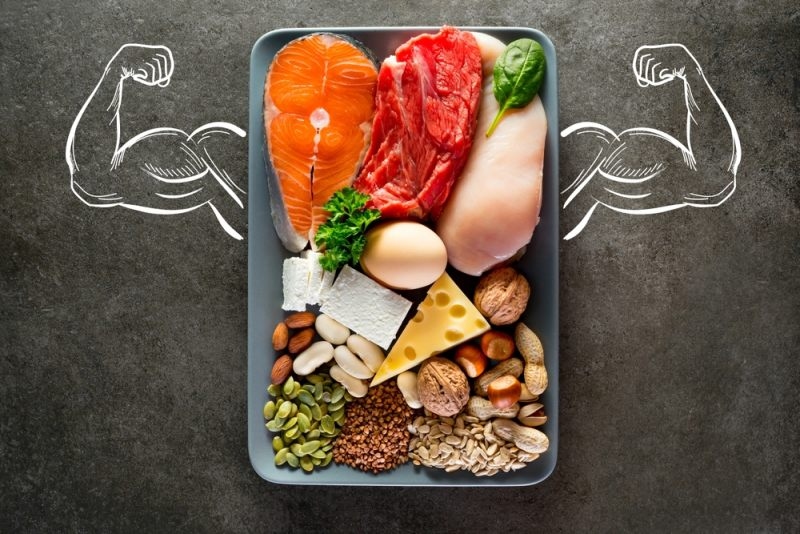
Africa’s got loads of protein-rich foods: think black-eyed peas, cowpeas, eggs, fish, chicken, goat, and groundnuts. The trick isn't copying one traditional meal but learning how to use local ingredients together so you get enough protein, fiber, and energy without overdoing it.
High-protein African foods fit anywhere—breakfast, lunch, dinner, snacks, or meal prep. Some are budget-friendly, some cook up fast, others simmer for hours. That kind of range makes everyday cooking a lot more practical. In this blog, you’ll find ideas for high-protein African foods, simple combos, plant-based options, and easy meals.
High protein African foods become easier to use when ingredients are grouped by their protein role rather than by one specific cuisine.
African foods high in protein include beans, lentils, cowpeas, chickpeas, peas, groundnuts, eggs, sardines, tuna, tilapia, chicken, goat, and lean beef. African foods high in protein do not have to be expensive. Beans and cowpeas are especially useful for batch cooking, while fish and eggs make quicker meals.
African foods high in protein can also be mixed across meals. Try boiled eggs with whole-grain bread, bean stew with rice, or grilled fish with vegetables. These combinations make African foods high in protein easier to repeat.
The answer depends on the serving size and preparation. Meat, fish, and eggs generally provide concentrated protein, while legumes provide protein alongside fibre and carbohydrates.
For a simple comparison:
| Food | Main Protein Role | Easy Meal Use |
|---|---|---|
| Sardines | Concentrated animal protein | Rice bowls, salads |
| Chicken | Lean protein | Grilled plates, wraps |
| Cowpeas | Plant protein | Stews, bowls |
| Lentils | Plant protein | Soups, curries |
| Groundnuts | Protein plus fats | Sauces, snacks |
| Eggs | Complete protein | Breakfast, sandwiches |
This is where high protein African foods can be flexible rather than restrictive.
Don't Miss: African Spices Health Benefits and Their Healing Properties
A high protein African diet does not mean every plate needs meat; legumes, grains, seeds and vegetables can carry much of the meal.
A high protein African diet can start with one protein anchor. Add a vegetable, a moderate carbohydrate source, and a small amount of healthy fat. That structure works for many cuisines.
For example, bean stew with vegetables and a modest portion of brown rice is a practical high protein African diet meal. So is grilled tilapia with greens and boiled plantain. The goal is consistency, not oversized portions.
To build a high protein African meal, choose the protein first. Next, add vegetables and a carbohydrate. Finish with a small serving of nuts, seeds, or oil when needed.
A useful formula is:
This makes a high protein African meal easier to assemble even when the refrigerator is nearly empty.
Protein rich African meals do not need elaborate cooking. A few prepared ingredients can cover several meals.
Bean and rice bowls, egg sandwiches, tuna salads, lentil soups, and grilled chicken wraps are straightforward protein rich African meals. Leftover beans can be reheated with tomatoes and spices; leftover chicken can become a wrap.
Protein rich African meals are also useful for meal preparation. Cook one large pot of beans or lentils, prepare vegetables separately, then change the seasoning across the week. Same base. Different meal.
If you are asking which African legumes are high in protein, cowpeas, black-eyed peas, lentils, chickpeas and several varieties of beans are strong choices. Their exact protein content varies by variety and whether they are cooked.
These legumes are useful because they provide fibre as well. For African foods high in protein, legumes are one of the simplest low-cost options.
Suggested Reading: Cassava Nutrition Benefits For Health And African Diet
African foods for healthy eating include leafy greens, tomatoes, okra, beans, lentils, fish, eggs, whole grains, fruit and moderate amounts of nuts or oils. Fried preparation can change the calorie load considerably.
That does not mean fried foods must disappear. But African foods for healthy eating work better when grilled, steamed, boiled or lightly cooked foods appear regularly beside richer dishes.
| Meal Idea | Protein | Fibre | Best Use |
|---|---|---|---|
| Bean stew + vegetables | High | High | Budget lunch |
| Grilled fish + greens | High | Moderate | Light dinner |
| Eggs + whole-grain toast | Moderate | Moderate | Breakfast |
| Lentil soup + millet | High | High | Meal prep |
These African foods for healthy eating options show how one meal can be filling without becoming complicated.
African plant based protein is broader than beans alone. Groundnuts, bambara nuts, peas, lentils, chickpeas, and certain seeds can all contribute.
Some of the best African plant based protein foods are cowpeas, lentils, chickpeas, bambara nuts, groundnuts and beans. The best choice depends on price, availability, and how easily it fits your meals.
African plant based protein also works better when meals are varied. Combine legumes with grains, vegetables and seeds instead of relying on one ingredient daily. This keeps meals practical.
To get more protein from African foods, increase the protein component before simply increasing the entire plate. Add beans to rice, eggs to breakfast, groundnuts to porridge, or fish to vegetable-based meals.
For people following a high protein African diet, these small changes are easier to maintain. African plant based protein can also be added to soups, stews and salads without changing the whole recipe.
High protein African foods for muscle building can include eggs, chicken, fish, lean beef, milk, beans, lentils and groundnuts. Pair protein with enough carbohydrates to support training energy.
A practical plate might include grilled chicken, rice and vegetables. A plant-based version could use lentils, beans, millet and vegetables. Both can fit a high protein African diet.
Try these combinations when you need high protein African foods quickly:
The combinations matter more than chasing one supposedly perfect food.
Also Read: Easy Fufu Recipe to Make an Authentic African Dish at Home
You don’t have to follow a single formula. Legumes pack fiber and protein, while fish, eggs, and lean meats add an extra boost. Groundnuts and seeds? More options. The main thing is to keep meals varied, with sensible portions.
These meals can be classic, quick, or perfect for prepping ahead. African plant proteins are overlooked—they’re cheap and adaptable. Pick a protein anchor, toss in some veggies, add a carb, then swap the ingredients for new versions next time.
Yes. Breakfast may be made more filling by adding eggs, beans, groundnut porridge, and milk. They can be served paired with fruits or whole grains for a balanced meal.
Some are, particularly soups containing beans, lentils, fish, chicken or meat. Others generally contain more protein, though there is a high reliance on the proteins in the ingredients.
Many can, as long as the foods are age-appropriate and prepared and served safely and within everyone's diet restrictions. Specific precautions are needed for small children with nuts and other items that can be a choking hazard.
Yes. Beans, lentils, chicken, grains, and a few stews are considered suitable for batch cooking. Plan, prepare, and portion food accordingly, and change vegetables or seasonings to diversify meals.
Yes. Beans, cowpeas, lentils, eggs, and groundnuts can be a source of relatively low-cost protein. Washing the dry legumes and preparing them in larger quantities can save on dishes even more!
This content was created by AI